Several years ago, I planted some azalea bushes on the side of my building, which is next to the creek. The first year, they really took off and produced some beautiful flowers. Since then, they have begun producing less foliage and fewer flowers. I have faithfully fertilized them and kept them watered. Unfortunately, they look like they might not make it another season. I was perplexed over the situation. But then I found the problem.
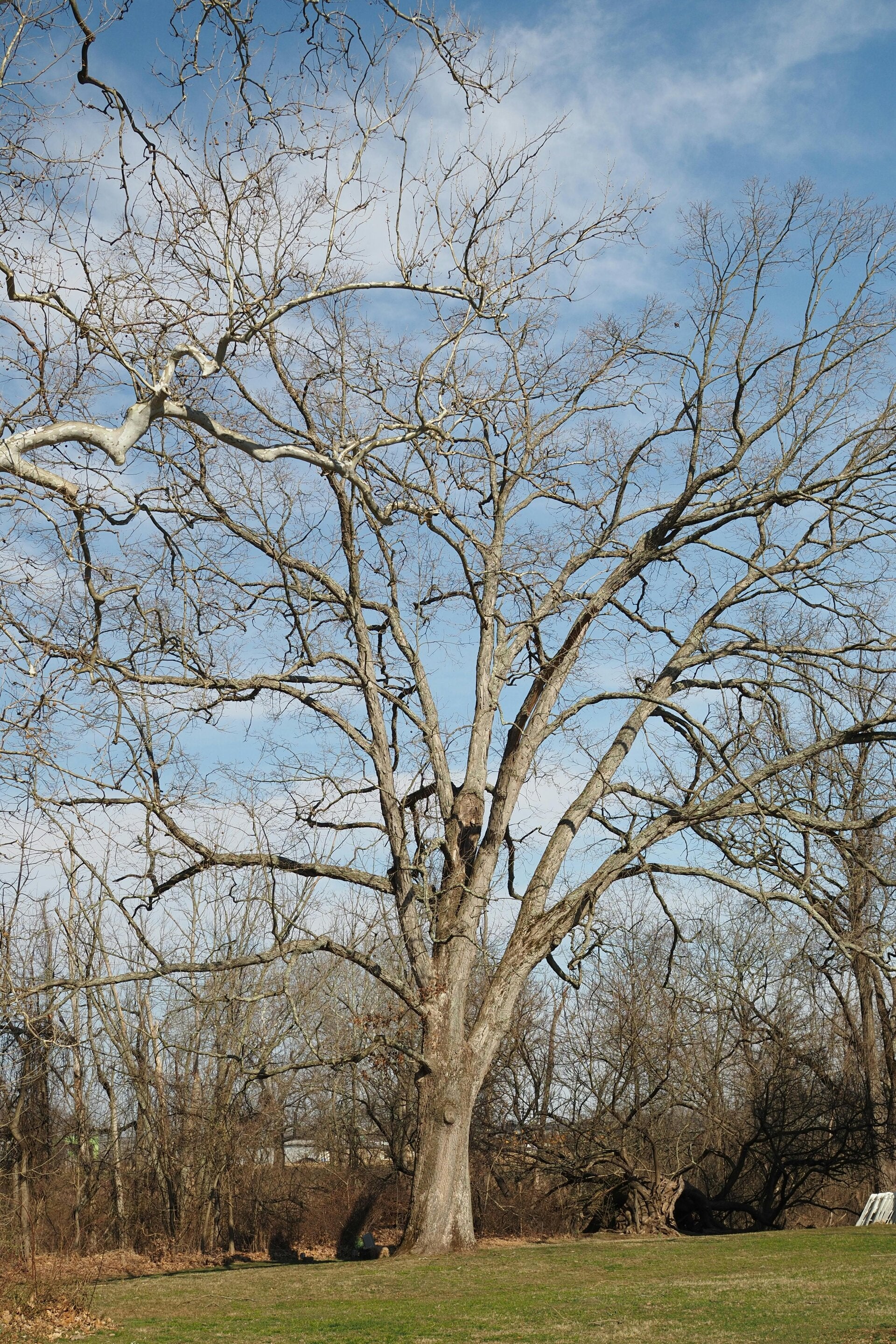
Towering above my deck is a large black walnut tree. Over the years, I have noticed that between October and late November, the nuts begin to fall. Last year was my first year living on the property, and the building I purchased, sitting under the tree next to the deck, has a metal roof. And during the night, the periodic thud of them landing on the roof is startling. And in the fall, I have learned to position myself on the deck as far away as possible from getting hit in the head by this heavy fruit the size of a baseball. And they make a mess as well. I knew that in smelly, lime-green fruit, there is a sweet, earthy nutmeat that can be eaten raw and/or used in a variety of recipes.
I was curious to learn a little more about the Black Walnut tree and decided to turn to my favorite source, the Farmers' Almanac. According to the Farmer’s Almanac, the Black Walnut tree:
Cabinetmakers and furniture makers have long prized the easily worked, close-grained wood of black walnut for its attractive color and exceptional durability.
Early settlers discovered black walnuts growing in mixed forests from Canada to northern Florida and as far west as the Great Plains. They found that their rich-brown heartwood was exceptionally resistant to decay and used it as fence posts, poles, shingles, and sills.
Early settlers found that their rich-brown heartwood was exceptionally resistant to decay and used it as fence posts, poles, shingles, and sills.
Further reading provided more interesting facts and an answer to why my azalea bushes planted near the tree have been declining over the last couple of years.
The tree has roots that may extend up to 50 feet or more from the trunk and exude a natural herbicide known as JUGALONE. This is also found in the leaves of the tree and the fruit husk as they begin to decay. All this is to limit the competition of plants and trees, leaving more water and nutrients for itself.
And then I had my answer: tomatoes, apples, pears, berries, and some landscape plants, such as AZELIAS, may be killed or stunted if grown close to black walnut roots or within the tree’s drip line (i.e., under the tree’s canopy.
The next sentence says it all. . . PLAN YOUR LANDSCAPING ACCORDINGLY!
Wow! Spiritual lessons? I could write another blog or two and still not cover the significance. But one takeaway is that, as Christians, we need to know where we are planted. What church are you attending? How about the minister? Are we asking the right questions? Where is the tithe going? What about designated giving? So many ministries are falling, and the sheep are scattering, losing faith. We have enjoyed the fruit and the so-called benefits of ministries, but have failed to realize that there is a root of deception that will eventually cause us to lose our vitality and even our bloom, all because we have looked to man rather than to the guidance of the Holy Spirit. God send us PROPHETS.
Add comment
Comments